In educational and therapeutic spaces, interactive projectors are revolutionising the way sensory play and learning are experienced. These innovative tools enhance engagement and offer a multi-sensory approach that supports cognitive, motor, and emotional development. Whether in therapy rooms, schools, or at home, interactive projectors create immersive experiences that are not only fun but also educational.
What is an Interactive Projector?
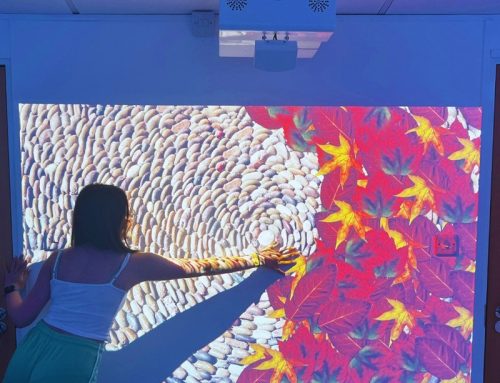
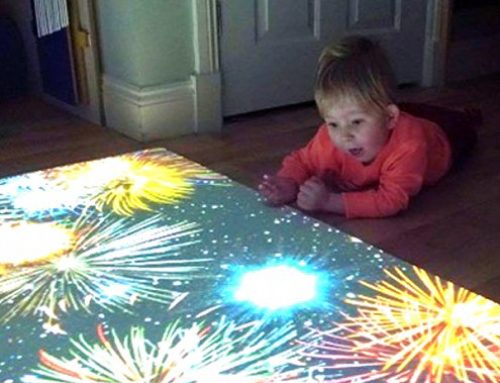
An interactive projector is a device that displays images, videos, and other multimedia on surfaces like floors, walls, or tables. The key feature is the ability to interact with the projected images through touch, motion, or sound. This makes it ideal for children and adults with sensory needs, providing an interactive environment that promotes learning and engagement through dynamic, hands-on experiences.
These projectors are widely used in therapy and education, where they help facilitate both independent play and group activities. They allow users to engage with the projected content, which could be as simple as moving a ball around on the floor or as complex as solving a puzzle on the wall. Interactive projectors turn any space into a dynamic, sensory-rich environment.
The Role of Interactive Projectors in Sensory Therapy
In sensory therapy, interactive projectors play a critical role in creating environments that encourage users to engage with their surroundings in meaningful ways. These projectors help stimulate multiple senses simultaneously—sight, touch, and sound—helping users develop key sensory processing skills.
Visual Projections for Sensory Stimulation
Interactive projectors allow for a wide range of visual experiences. For example, calming images like flowing water or animals can help soothe users who may experience sensory overload. The ability to control the level of interaction and stimulation makes these projectors an excellent tool in managing sensory sensitivities. Many therapy rooms use sensory projectors to provide a calming space for individuals with autism or ADHD.
Improving Engagement and Interaction
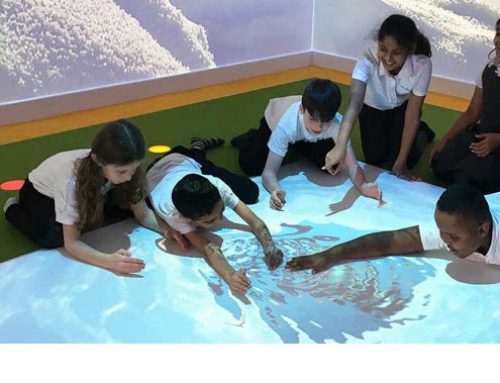
When it comes to learning, interactive projectors make a world of difference. In schools and therapy rooms, these projectors offer a way to engage children in a manner that is both fun and educational. Traditional learning methods can sometimes be overwhelming, but interactive projectors turn learning into an engaging, tactile experience. Students interact with the projected images, which improves focus and attention while allowing for a more inclusive learning environment.
In one instance, a local school for children with special needs noticed a significant boost in student engagement after introducing interactive projectors. Teachers found that students, who typically struggled to maintain focus, became much more involved during lessons. The ability of the projectors to respond to movement and touch kept students engaged for longer periods, transforming learning into a dynamic and enjoyable experience.
To bring this experience to your own classroom or therapy room, you can purchase an interactive projector here.
Why Choose an Interactive Projector for Sensory Play?
Interactive projectors offer several advantages over traditional sensory play methods. They provide a flexible, adaptable solution for various environments, from therapy rooms and classrooms to homes. Here are some key reasons why these projectors stand out as an essential tool for sensory play and learning:
1. Adaptable to Different Learning Styles
Interactive projectors can cater to different learning styles, making them a versatile tool for a variety of users. Visual learners benefit from the dynamic imagery projected onto the floor or walls, while kinesthetic learners can engage through physical movement. This adaptability is particularly helpful in therapy rooms where the needs of individuals vary. For example, a child who struggles with fine motor skills can work on hand-eye coordination using interactive games, while others might enjoy interactive art-based activities.
2. Promoting Social Interaction and Collaboration
In addition to individual learning, interactive projectors foster collaboration and social interaction. Group activities such as team-based games or shared learning experiences can be projected onto the floor or a wall, encouraging communication, teamwork, and joint problem-solving. For children with autism, social interaction can sometimes be a challenge, but these projectors provide a non-threatening way to practice these skills in a safe, controlled environment.
3. Customisable Sensory Environments
One of the standout features of sensory projectors is their ability to customise the sensory experience. Educators and therapists can choose from a variety of projected images and activities that align with the needs and preferences of their users. From soothing, nature-inspired visuals to interactive, educational games, the projector can create an atmosphere that promotes relaxation, learning, or play.
For example, a sensory projector for a therapy room can display calming images or educational content designed to teach children colours, shapes, and numbers. Similarly, at home, a projector could be used to create a peaceful, interactive environment for children with sensory sensitivities, offering them the comfort they need while still providing mental stimulation.
4. Space-Saving and Functional Solution
Interactive projectors transform therapy rooms and classrooms into versatile, engaging spaces. Rather than taking up valuable floor space with large physical play structures, an interactive projector allows the entire room to become an interactive play area. This not only saves space but also provides a full range of sensory experiences for children to engage with.
For example, the introduction of interactive projectors in a special education program has shown a marked improvement in student engagement. Teachers have reported that students, who typically struggled with traditional learning methods, became more involved in lessons. The projector’s ability to respond to touch and movement encouraged collaborative problem-solving, ensuring that all learning styles were included and actively engaged.
If you’re interested in learning more or bringing an interactive projector into your space, explore our options here.
Enhancing Sensory Learning with Interactive Projectors
Interactive projectors have proven to be game-changers in the fields of education and therapy, offering a dynamic way to engage learners and individuals with sensory needs. Whether you’re in a school, therapy room, or at home, these projectors enhance sensory play by providing interactive, visual, and tactile experiences that stimulate and support the development of motor, cognitive, and emotional skills.
If you’re looking to incorporate an interactive projector into your learning or therapy space, explore our range of products at Sensory Wizard. Whether you’re enhancing sensory play at home or transforming a therapy room, our projectors are designed to support every learner’s unique needs. For more information, contact us today.